AI Marketing Agent Insights for Modern Growth Teams
MeetLyra Journal covers AI marketing agents, SEO automation, content systems, and the shift from manual marketing execution to autonomous workflows.
MeetLyra Journal covers AI marketing agents, SEO automation, content systems, and the shift from manual marketing execution to autonomous workflows.


A practical guide for founders on how to use marketing automation to save time, nurture leads effectively, and build a scalable growth engine without a.
Effective marketing automation for startups involves using software to handle repetitive tasks like email, lead nurturing, and social media, which allows lean teams to scale growth without a large headcount. It is not a ‘set-it-and-forget-it’ solution. Instead, it is a strategic system designed to multiply your marketing efforts, ensure consistent communication, and create personalized customer experiences that drive revenue.
This guide provides a practical roadmap for founders. First, we will break down what marketing automation truly means for a new business. Then, we will explore the key benefits and high-impact workflows to prioritize. Finally, you will learn how to choose the right tools for your stage and budget, setting you up for scalable success.
At its core, marketing automation is the use of software to execute repetitive marketing tasks in a systematic way. Rather than manually sending every email or posting on social media each day, you create automated workflows. These workflows trigger based on specific user actions, schedules, or data points.
For a startup, this means you can deliver a personalized experience to every lead, at scale. For example, when someone downloads an ebook, they automatically receive a follow-up email series related to that topic. Similarly, if a potential customer visits your pricing page three times in a week, your system can tag them as a ‘hot lead’ for immediate follow-up. This ensures no opportunity is missed, even with a small team.
This workflow follows Google Search Central guidance: useful, original, people-first content matters more than whether AI helped create the first draft.
marketing automation works best when it turns strategy into a repeatable publishing system, not just another drafting shortcut.
SEO Machine quality gate
However, it is vital to understand what marketing automation isn’t. It is not a substitute for a sound marketing strategy. An automation tool will only amplify the quality of what you put into it. A poorly written email sent to 10,000 people is still a poorly written email—it just fails at a much larger scale. Therefore, your strategy, messaging, and deep understanding of your customer must always come first.
Implementing even basic marketing automation can have a profound impact on a startup’s growth trajectory. The benefits extend far beyond simply saving time; they create a foundation for scalable and efficient operations.
| Workflow | Manual SEO | Agentic SEO |
|---|---|---|
| Research | Spreadsheet-led and slow | Scored opportunities |
| Drafting | One-off briefs | Context-aware generation |
| Optimization | Manual plugin checks | Pre-publish quality gate |
The most immediate benefit is freeing up your team from manual, repetitive work. Instead of spending hours each week sending follow-up emails or posting to social media, your team can focus on high-value activities. For instance, they can spend more time talking to customers, analyzing campaign data, and developing creative strategies. As a result, a single person can effectively manage a system that would have previously required a small team.
Most leads are not ready to buy the first time they visit your website. In fact, research from Invesp shows that nurtured leads make 47% larger purchases than non-nurtured leads. Automation allows you to build trust and educate prospects over time with relevant, targeted content. This process systematically moves them through the sales funnel until they are ready to convert, significantly improving your conversion rates.
It automates opportunity research, content creation, on-page optimization, publishing preparation, and monitoring.
No. It handles repeatable execution so humans can focus on positioning, evidence, and quality control.
A process that works for your first 100 users should ideally work for your first 10,000. Marketing automation for startups is the key to building systems that scale. Your welcome series, lead nurturing flows, and customer onboarding sequences will work just as effectively for a thousand new signups as they do for ten. Crucially, this growth occurs without a proportional increase in manual effort or headcount.
Effective marketing automation platforms provide a wealth of data. You can easily see which emails get the best open rates, which subject lines drive clicks, and which content pieces ultimately lead to conversions. This data is a goldmine for refining your strategy. It allows you to make smarter, data-backed decisions about where to invest your limited time and resources for the best possible return.
The market for marketing automation tools is vast and can be overwhelming for a founder. A common mistake is choosing a powerful, enterprise-grade tool that is too complex and expensive for a startup’s current needs. The key is to start with your goals, not the features.
Before you look at any software, ask yourself: What is the single most important marketing task I need to automate right now? Is it welcoming new subscribers? Following up on demo requests? Or perhaps onboarding new users to reduce churn? Your answer will guide your choice.
| Tool Category | Examples | Best For |
|---|---|---|
| Email-Focused Platforms | ConvertKit, Mailchimp, MailerLite | Early-stage startups focused on building an audience and running email campaigns. They offer a great starting point with a low learning curve. |
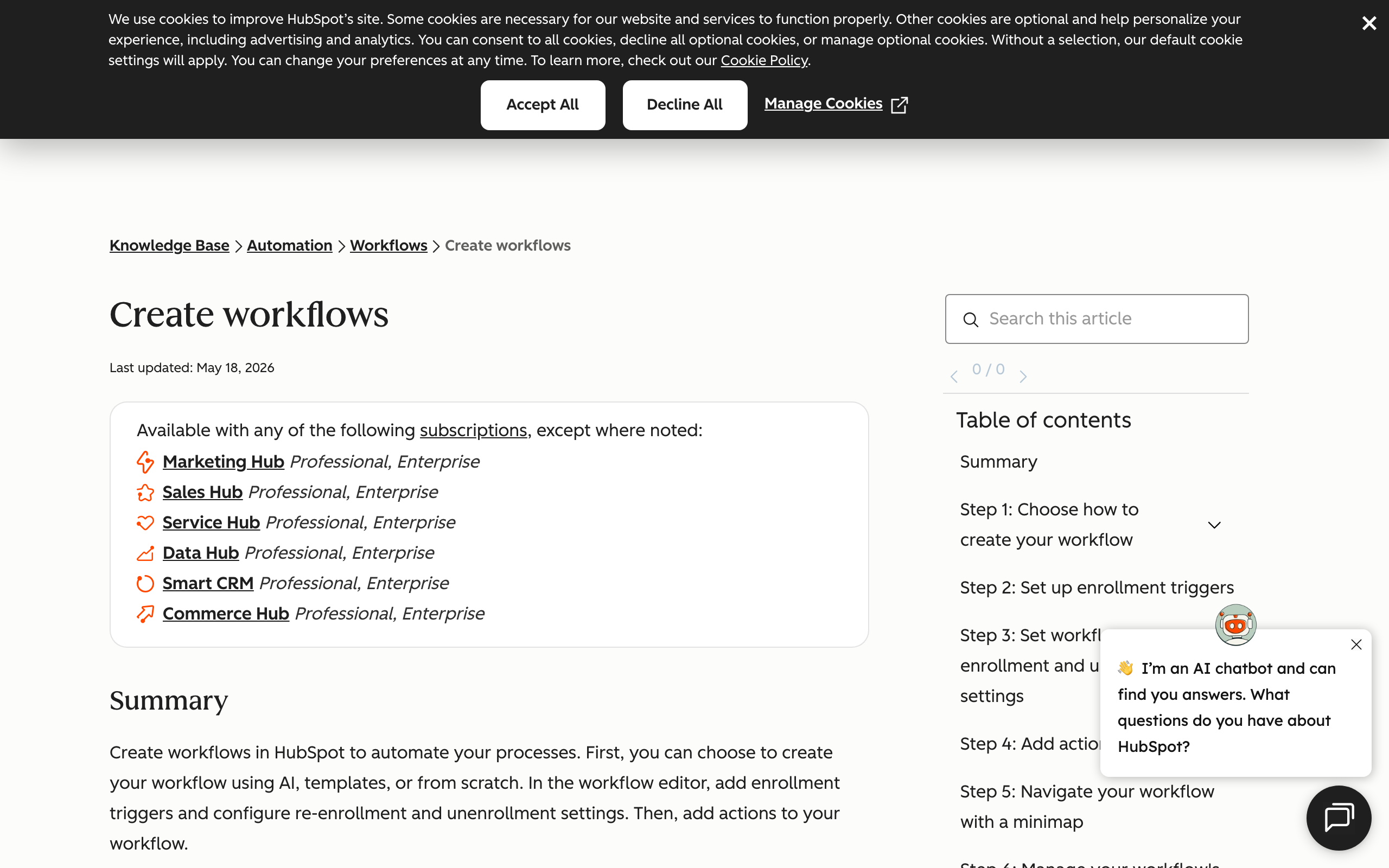
| All-in-One CRMs | HubSpot, ActiveCampaign | Scaling startups that need a single source of truth for sales and marketing data. These can be more complex but offer powerful features. |
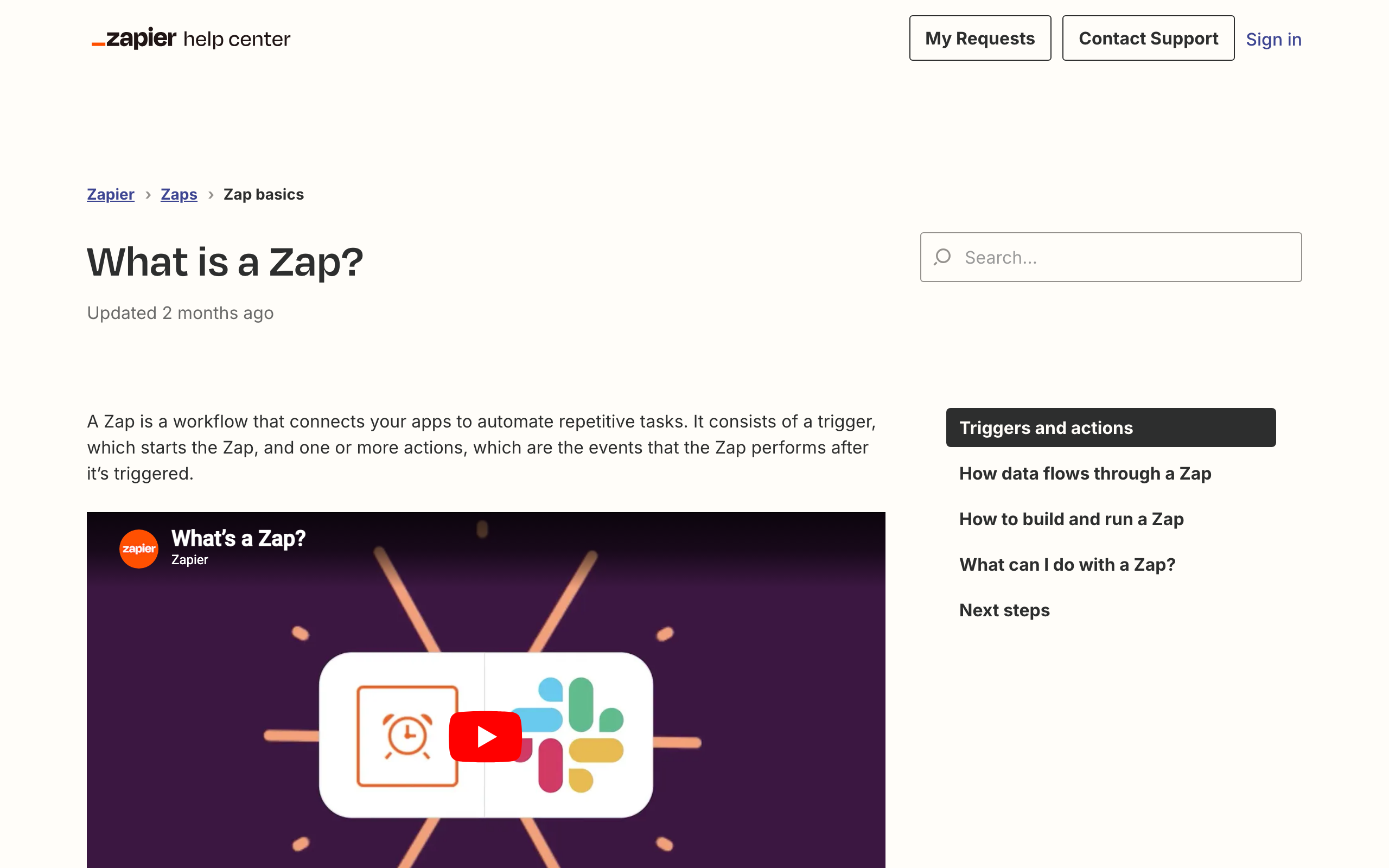
| Integration Tools | Zapier, Make | Connecting various best-in-class point solutions. This approach is flexible but requires managing multiple subscriptions and integrations. |
| Autonomous AI Agents | MeetLyra | Startups that want to automate strategy and execution, not just tasks. This represents the next evolution beyond traditional automation. |
For most early-stage startups, an email-focused platform is the perfect place to start. As your company grows, you can graduate to an all-in-one CRM or use an integration tool like Zapier to connect different systems into a cohesive stack.
To avoid getting overwhelmed, do not try to automate everything at once. Instead, focus on these five high-leverage workflows to get the biggest impact from your initial efforts.
Trigger: A new user subscribes to your newsletter or creates an account.
Goal: To make a great first impression, set clear expectations, and deliver immediate value. This is your best chance to turn a casual subscriber into an engaged fan of your brand.
Ordered list
Trigger: A prospect requests a demo, fills out a contact form, or visits the pricing page multiple times.
Goal: To keep the lead warm and engaged while your sales team prepares to follow up. This workflow provides them with the information they need to make a decision.
Example Sequence: An immediate confirmation email is sent, followed a day later by a relevant customer success story or testimonial. Then, an email introducing the specific team member they will be speaking with adds a personal touch before the call.
Trigger: A user downloads a specific resource like a checklist, ebook, or template from your blog.
Goal: To instantly deliver the promised resource and, more importantly, use this opportunity to segment the user based on their expressed interests.
Workflow: The trigger adds a specific tag to the user in your system (e.g., “interested-in-seo-templates”). They receive the asset immediately via email. Subsequently, they are entered into a short, automated series of emails with more content related to that specific topic, making your future marketing more relevant.
Trigger: A user signs up for your product or makes their first purchase.
Goal: To guide the new customer to their “aha!” moment as quickly as possible. A successful onboarding experience dramatically increases user activation and reduces long-term churn.
Sequence: This typically involves a series of emails that highlight key features one by one, offer practical tips for getting started, and link to help documentation or support channels. Each email should focus on helping the user achieve a small win.
Trigger: This workflow is time-based, not based on user actions.
Goal: To maintain a consistent, professional presence on social media without the daily grind of manual posting. This helps build brand awareness and drives consistent traffic back to your website.
Workflow: Use a tool like Buffer or Later to batch-create and schedule a week’s or even a month’s worth of content in a single session. This ensures your brand remains active and engaging, even when you are focused on other critical tasks.
Traditional marketing automation is powerful, but it has a ceiling. You still have to be the strategist. You must design the workflows, write all the copy, set up the triggers, and analyze the performance. In short, the software executes, but you have to provide all the intelligence.
The next frontier is autonomy. This is where AI doesn’t just follow your rules; it helps create the strategy itself.
Imagine giving an AI your quarterly growth goal, your target audience, and your budget. Instead of you building a dozen workflows manually, the AI agent plans an entire multi-channel campaign. It can perform keyword research, draft blog posts, write the email sequences, and create social media updates. Furthermore, it can execute and optimize the entire campaign based on real-time performance data, a process detailed in our guide to AI campaign planning.
This is the core idea behind MeetLyra. We are building an autonomous AI marketing agent that acts as a strategic partner, not just a passive tool. It moves beyond simple task execution to handle the entire marketing lifecycle. This shift allows founders and lean teams to leverage the power of a full marketing department without the associated overhead. You can learn more about how these systems work in our post on the role of an AI marketing agent for SEO content.
Marketing automation is an essential tool for any startup looking to grow efficiently. By starting with simple, high-impact workflows, you can save precious time, nurture leads more effectively, and build a scalable foundation for your marketing.
First, focus on your most pressing goals. Next, choose a tool that fits your current needs and budget. Then, begin by implementing a simple welcome series or a lead nurturing sequence. As your startup grows, you can build more sophisticated systems and workflows.
And if you’re ready to see what the future of marketing looks like—where AI handles not just the tasks, but the strategy itself—we invite you to join the private beta for MeetLyra. See firsthand how an autonomous marketing agent can transform your growth.
The first automation a startup should build is a welcome email series for new subscribers or users. This workflow has a high impact on engagement and retention, makes a strong first impression, and sets the foundation for all future communication. It’s a simple, achievable win.
You can measure ROI by tracking key metrics like lead-to-customer conversion rate, cost per acquisition (CPA), and customer lifetime value (LTV). Most automation platforms have built-in analytics to track how many leads from a specific campaign become customers. Compare the revenue generated from automated campaigns to the cost of the software and the time invested.
It can if done poorly. The goal of good automation is to be more personal, not less. Use personalization tokens (like the contact’s first name), segment your audience based on their interests and behavior, and ensure your copy is human and helpful. The aim is to deliver the right message to the right person at the right time, which feels helpful, not robotic.
A startup is ready for marketing automation as soon as it has a consistent way of generating leads or subscribers, even if the volume is small. If you have a newsletter sign-up form or a contact form on your website, you are ready. Starting early allows you to build and refine your systems before you scale, preventing chaos later on.